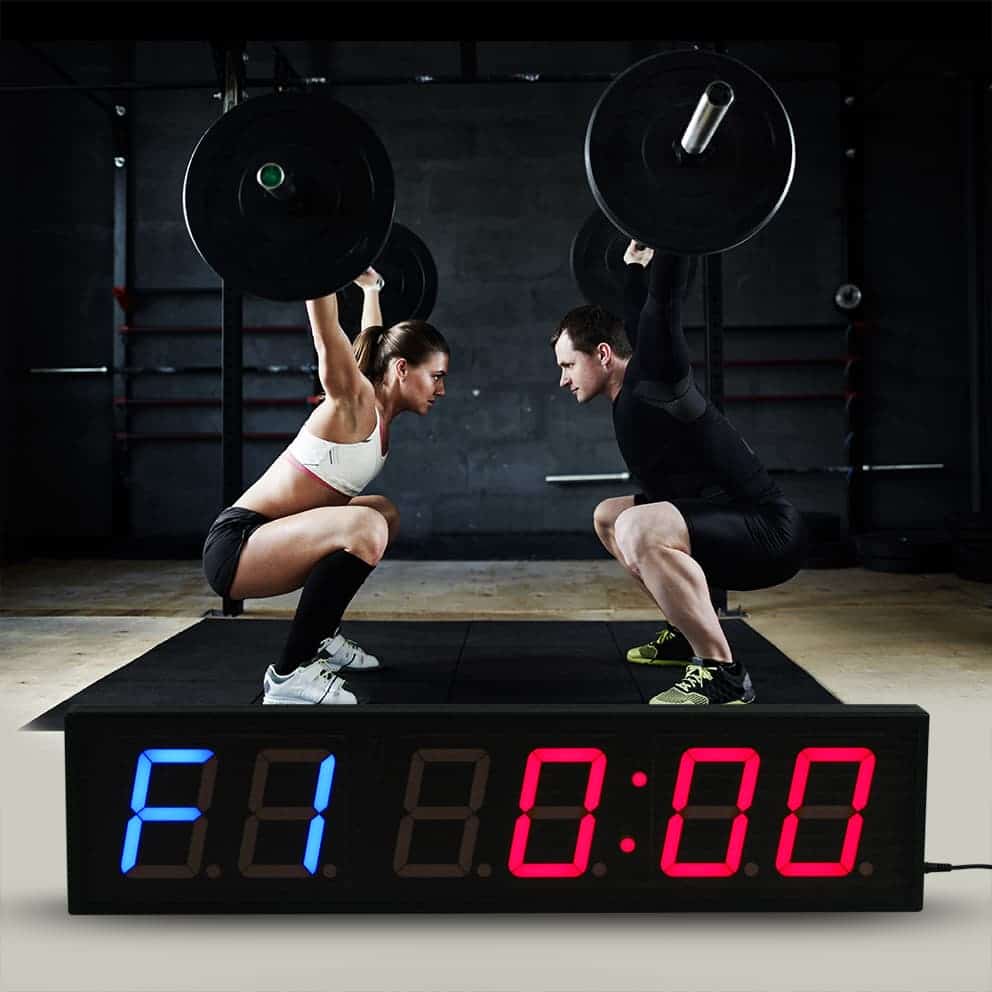
Running a great class is not just about programming. It is about rhythm. When your session flows smoothly, coaching becomes easier, members stay engaged, and transitions feel natural instead of chaotic. That is where a workout timer display system becomes more than just a clock.
Modern gyms are moving beyond basic timers and adopting systems that guide the entire session. These setups combine interval countdowns, visual cuworks, and structured flow control into one clear experience. The result is simple. Less confusion, better pacing, and a stronger coaching presence on the floor.
If you have ever felt like you were juggling timing, explaining movements, and managing transitions all at once, this is exactly where a smarter system makes a difference.
Why a workout timer display system changes everything
Source: timebirds.com
A timer might seem like a small detail, but in a group class, it becomes the backbone of your session. It defines pace, controls intensity, and keeps everyone aligned.
At a basic level, a workout timer shows countdowns, rounds, and work versus rest. But in practice, it does much more than that. It creates structure and removes guesswork for both you and your members.
Think about your last class. How often did someone ask, “How much time is left?” or hesitate during transitions? A clear display eliminates that friction.
Here is what a well-designed system brings to your gym:
- Consistent pacing across all coaches
- Clear expectations for members at every stage
- Smooth transitions between exercises or stations
- Reduced mental load for the coach
When the timer runs the structure, you get to focus on coaching instead of managing the clock.
How to connect timing with class flow

Source: clubautomation.com
In many gyms, the timer, workout plan, and scheduling system all live separately. That disconnect creates small inefficiencies that add up over time.
Instead of treating the timer as a standalone tool, Crossfit Software allows it to become part of a connected system that includes workout display, class structure, and scheduling.
When everything is integrated, your timer can automatically reflect the workout format, intervals, and flow without manual setup before every class. That means:
- Your class starts on time without setup delays
- Coaches follow the same structure across sessions
- Members see the full workout context, not just time
This kind of system turns your timer into a central control point for the entire class experience, not just a countdown on the wall.
Interval countdowns and why they matter
Intervals are where structure meets intensity. Whether you are running HIIT, circuit training, or functional fitness, the way you define work and rest directly impacts results.
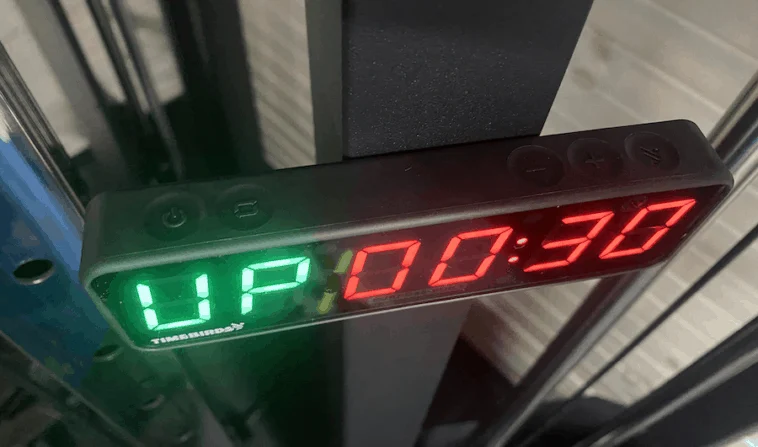
A good interval system does not just count time. It communicates clearly. Color changes, sound cues, and visible round tracking all help members stay focused without needing constant reminders.
Common interval formats you likely use:
- Work and rest cycles like 40 seconds on, 20 seconds off
- EMOM sessions that reset every minute
- Tabata blocks with short, intense bursts
Each format creates a different training stimulus. For example, structured intervals push consistent effort, while EMOMs control pacing and recovery.
Important note: The clearer your interval display, the less you need to interrupt the workout to explain timing.
That clarity is what keeps your class moving with energy instead of hesitation.
Types of workout timer systems and what to expect
Source: trainheroic.com
Not all timer systems are built the same. The right choice depends on your class size, setup, and how much control you want.
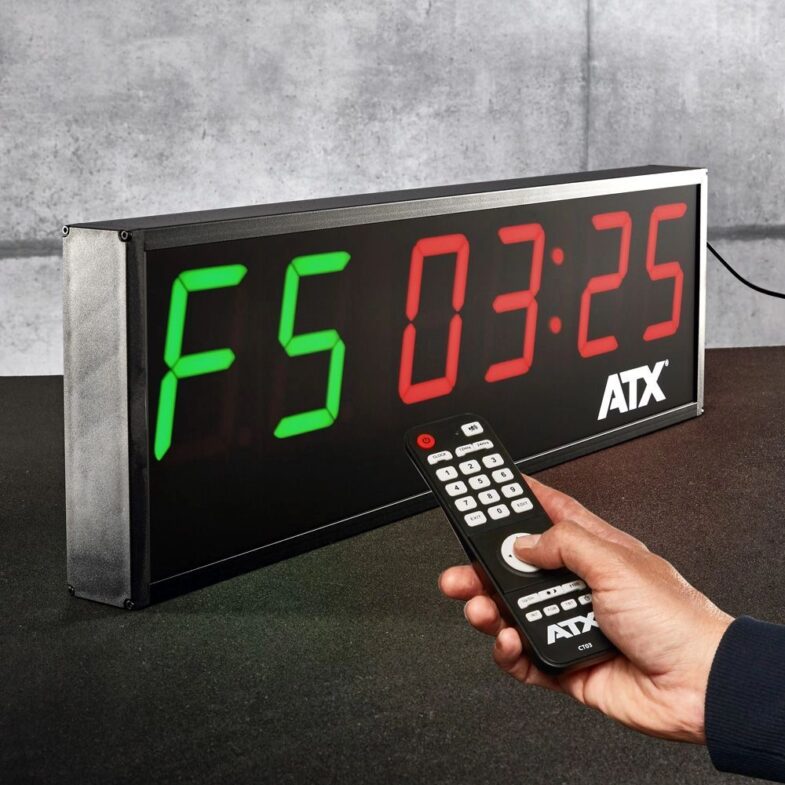
LED timers
These are the classic gym timers. Bright, durable, and easy to read from anywhere in the room.
Best for:
- Large spaces
- Simple interval structures
Limitations:
- Only display time
- Limited flexibility for complex workouts
App-based timers
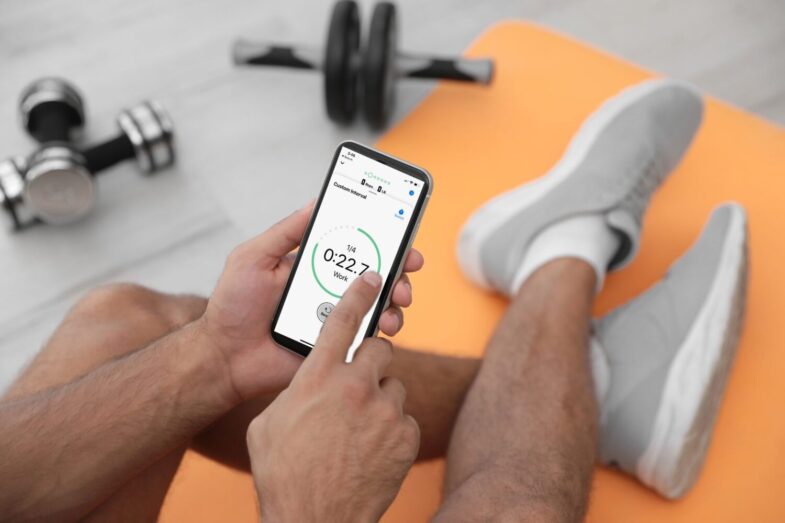
These run on phones or tablets and are great for flexibility.
Best for:
- Small group sessions
- Personal training
Limitations:
- Limited visibility for larger classes
- Dependency on devices and connectivity
Screen-based display systems
This is where most modern gyms are heading. These systems combine timer, workout display, and class guidance on one screen.
Best for:
- Group classes
- Structured programming
- Multi-coach environments
Why they stand out:
- Show both timing and workout instructions
- Adapt to any format without hardware limits
- Use existing TVs instead of specialized equipment
If your goal is improving class flow, this category gives you the most control.
Structuring class flow with timers instead of guesswork
Source:pinterest.com
A great class feels seamless from start to finish. That does not happen by accident. It comes from consistent timing and clear transitions.
Instead of manually guiding every phase, your timer system can structure the entire session:
| Class Phase | Timer Role |
| Warm-up | Countdown with guided transitions |
| Skill or strength | Controlled work intervals |
| Main workout | Structured rounds or EMOM timing |
| Cool-down | Timed recovery blocks |
With this approach, your role shifts. You are no longer managing time. You are coaching movement, correcting form, and engaging with your members.
This also improves scalability. As your gym grows and you bring in new coaches, a consistent timer structure ensures every class feels the same, regardless of who is leading it.
Features that actually improve coaching experience
When choosing or upgrading your system, focus on features that directly impact your day-to-day coaching.
Look for:
- High visibility so every member can see the timer instantly
- Audio cues to signal transitions without shouting
- Custom interval programming for different workout styles
- Round tracking so no one loses their place
- Pre-programmed sessions to eliminate setup time
Many modern systems also allow timers to run automatically in sequence, so you do not have to restart each segment manually.
That automation might seem small, but in a busy class, it removes constant interruptions and keeps momentum high.
Common mistakes that disrupt class flow
Even with a timer, small issues can break the rhythm of your class. These are the most common ones to watch for:
- Timer placement where not everyone can see it
- Overcomplicated interval setups that confuse members
- Relying on manual resets during workouts
- Using different timing formats across coaches
Consistency matters more than complexity. A simple, clearly displayed structure will always outperform a complicated system that requires constant explanation.
A helpful mindset shift is this: if members need to ask what is happening next, your system is not doing enough of the work.
Making your system feel simple and natural
Source: yanrefitness.com
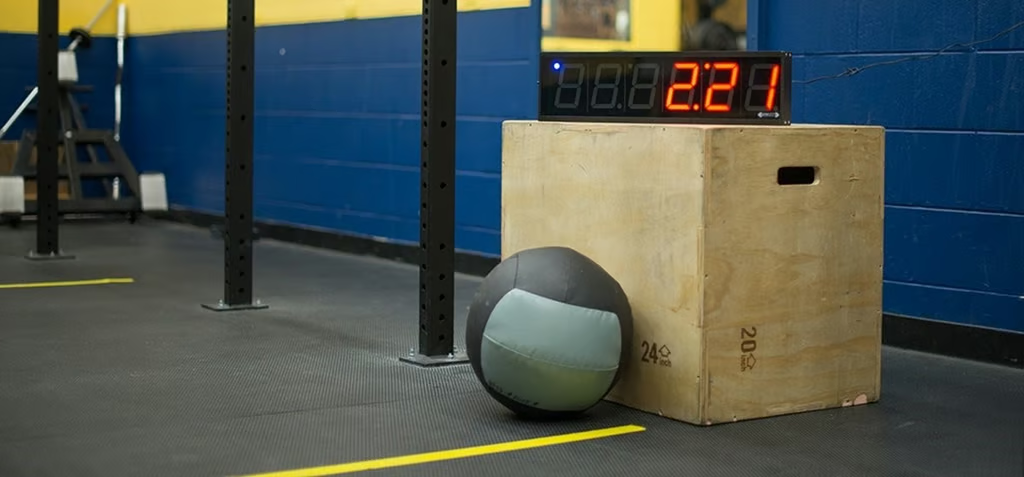
The best workout timer display systems do not feel like technology. They feel like part of the class.
When done right, your members stop thinking about time altogether. They just follow the flow. Work, rest, transition, repeat.
That is the real goal. Not just showing time, but creating a guided experience where everything feels predictable, smooth, and easy to follow.
Start small if needed. Even upgrading visibility or standardizing intervals across coaches can make a noticeable difference.
Over time, as you refine your setup, you will notice something important. Your classes run themselves more efficiently, and you spend more time doing what actually matters. Coaching your people.